What Rosh Hashanah Can Teach Anyone About Starting Over.
"What if staying positive isn’t about pretending everything is fine? Maybe real positivity means having the courage to look honestly at what happened, appreciate what remains, repair what can be repaired, and choose who to become next.”


When Rosh Hashanah arrives, it creates something most people desperately need but rarely give themselves: a pause. Stop. Look back. Tell the truth about what happened. Then decide what comes next. That lesson belongs to everyone, regardless of religious tradition. Staying positive does not mean pretending everything went well. That kind of positivity is exhausting—and frankly, a little dishonest. Real positivity has teeth. It makes room for uncomfortable questions: Where did someone show up well? Where did they fall short? Who might they have hurt? Where did fear, pride, anger, or selfishness get in the way? And perhaps the hardest question of all: Where did they abandon the person they wanted to be? Reflection isn't about beating yourself up. It is about becoming honest enough to change.
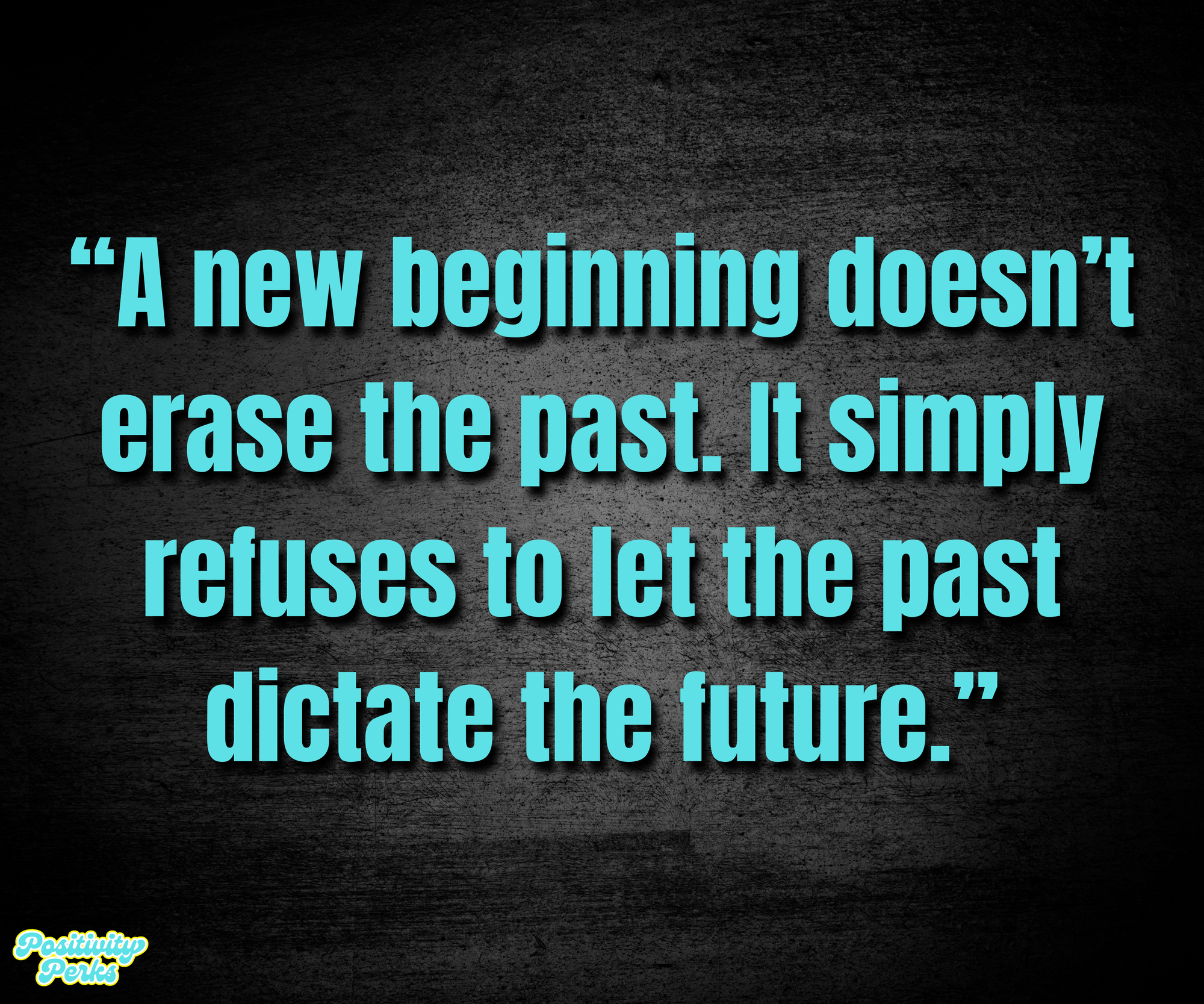
One of the powerful ideas associated with the period around Rosh Hashanah is teshuvah, often translated as repentance, but also carrying the sense of turning or returning. That idea has a lesson far beyond any one faith tradition. Sometimes people need to return to kindness. To honesty. To courage. To the values they somehow misplaced while trying to keep everything else together. And regret, by itself, isn't growth. Beating yourself up doesn't make you wiser; it simply keeps you trapped in yesterday. Growth sounds different: "I wish I had handled that differently. Next time, I will." A person can apologize without groveling, accept responsibility without living forever inside a mistake, and acknowledge a painful chapter without allowing it to write the next one. A new beginning doesn't erase the past. It simply refuses to let the past dictate the future.
Then there is the shofar—the ram's horn traditionally sounded during Rosh Hashanah. For someone outside Judaism, its meaning can be appreciated without turning a sacred ritual into a personal one: wake up. Pay attention. You are alive. This matters. Everyone needs a shofar moment occasionally. Sometimes it arrives through a difficult conversation. Sometimes through loss, gratitude, a quiet morning, a sunset, or the uncomfortable realization that another year has disappeared while life was busy happening. Staying positive isn't about ignoring what needs fixing; it is about noticing what is still good while having the courage to repair what isn't. Appreciate the people who stayed. Make peace where possible. Forgive where forgiveness is possible. Choose kindness when cynicism would be easier. And instead of asking only, "What do I want to accomplish this year?" ask the deeper question: "Who do I want to become?" Perhaps that is the universal lesson worth carrying forward: stop sleepwalking through life. Look honestly. Learn. Repair. Appreciate. Then begin again—awake.
Have a wonderfully positive day! ☀️
If this article gave you something to think about, please consider liking and sharing it with someone. A little positivity can go a long way. 💛
 Russell B
SUBSCRIBE FOR FREE TODAY!