
The Gravy Was Passed. The Damage Was Done. Nobody Said a Word.
"Some families don't argue. They just get exceptionally good at pretending nothing happened. But silence isn't peace, and love shouldn't require swallowing your pain. Sometimes the bravest thing you can bring to the family table isn't forgiveness. It's the truth.”


It might have been Thanksgiving. It might have been an ordinary Sunday, the kind nobody remembers until, years later, somebody does. An uncle makes a remark about his daughter's marriage. Nothing spectacularly vicious. Just a little blade slipped between the potatoes and the gravy. Someone laughs—too quickly. The daughter studies a crack in her plate. And the family, practiced in these matters, moves on. There is a peculiar cruelty in that choreography: the insult, the nervous laughter, the sudden fascination with dessert. By evening everyone can truthfully claim there was no argument. Wonderful. No argument, only another small reason for someone to dread coming home. We confuse the absence of shouting with the presence of peace. They're not remotely the same thing. Family ought to be where a person can set down the armor. Too often it's where they learn to wear it beneath their clothes.
 Russell B

SUBSCRIBE FOR FREE TODAY!
I've been guilty of choosing the easier silence. Not because I lacked an opinion; God knows I've had plenty. But there is something almost unbearable about telling someone you love that they've hurt you, especially when you remember their tenderness too. The hand on your forehead when you were sick. The ride home in the rain. How do you put those memories beside the careless remark, the old dismissal, the wound that keeps finding fresh ways to ache? I used to think kindness meant leaving certain things untouched. Now I'm less sure. I've watched what happens when hurt has nowhere honest to go. It leaks into the short phone call, the invitation politely declined, the breath you don't realize you've been holding until the visit ends. Sometimes courage is embarrassingly uncinematic. A kitchen chair. Cold coffee. "I know you may not have meant it that way. But it hurt." No speech. No triumphant music. Just the risk of being heard.
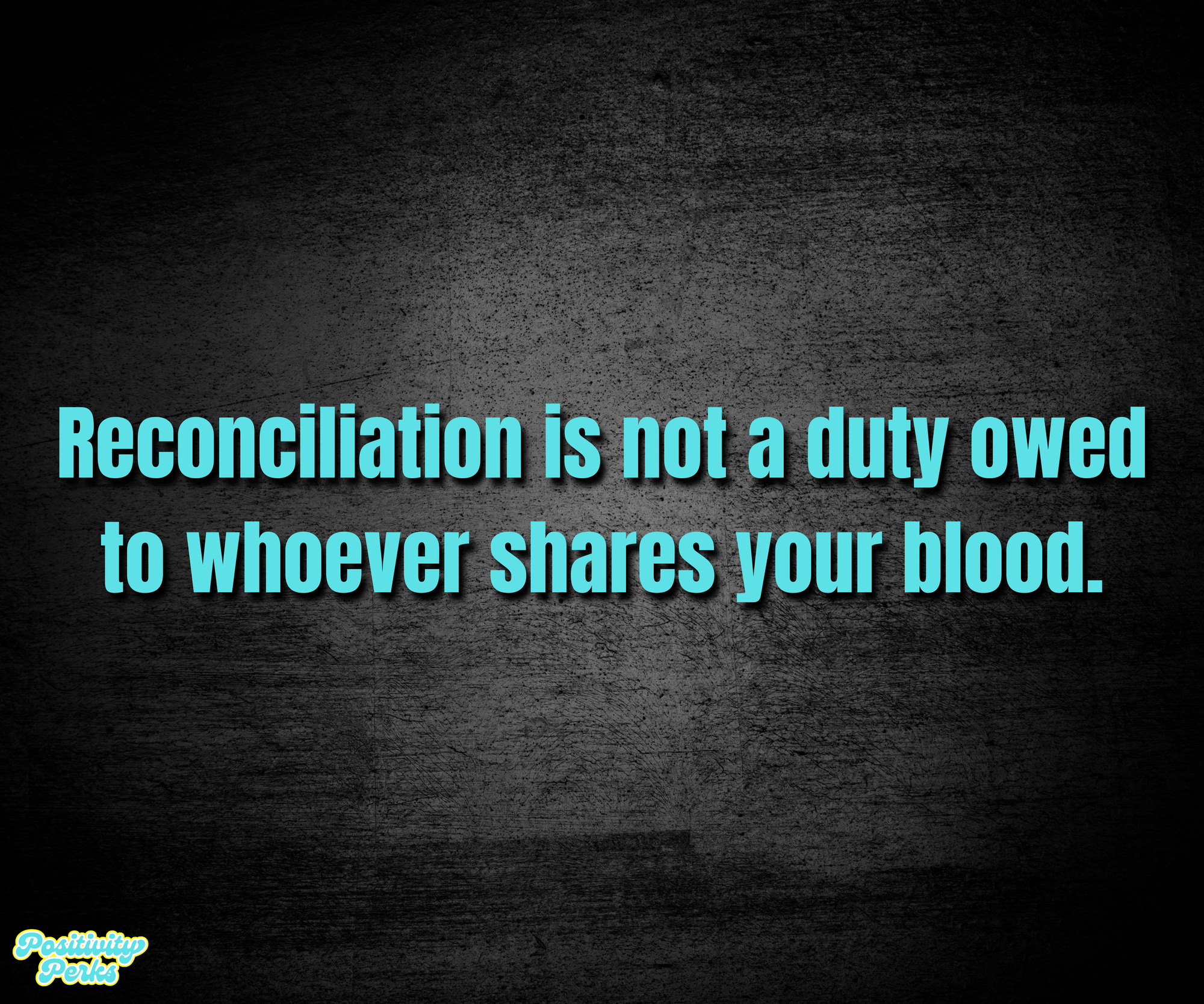
And perhaps they won't hear you. Perhaps they'll reach for the old defenses: You're too sensitive. After everything I've done? Families have their well-worn scripts; some could perform them blindfolded. Still, a difficult truth needn't be delivered like a verdict. You can name the injury without sentencing the person. You can acknowledge love without pretending love made the injury imaginary. You can even walk away when the conversation becomes unsafe or cruel. Reconciliation is not a duty owed to whoever shares your blood. But when there is room—some small, stubborn room—for honesty, take it. The point isn't to win the argument that never happened over dinner. It's to make sure the next person at that table doesn't have to swallow the same hurt with the gravy.
Have a wonderfully positive day! ☀️