Real positivity isn’t built on trust in others. It’s built on discernment.
Are you more protective of your peace now than you were five years ago? Once you stop confusing openness with safety, you finally get to experience positivity that is steady, alert, and unmistakably yours.

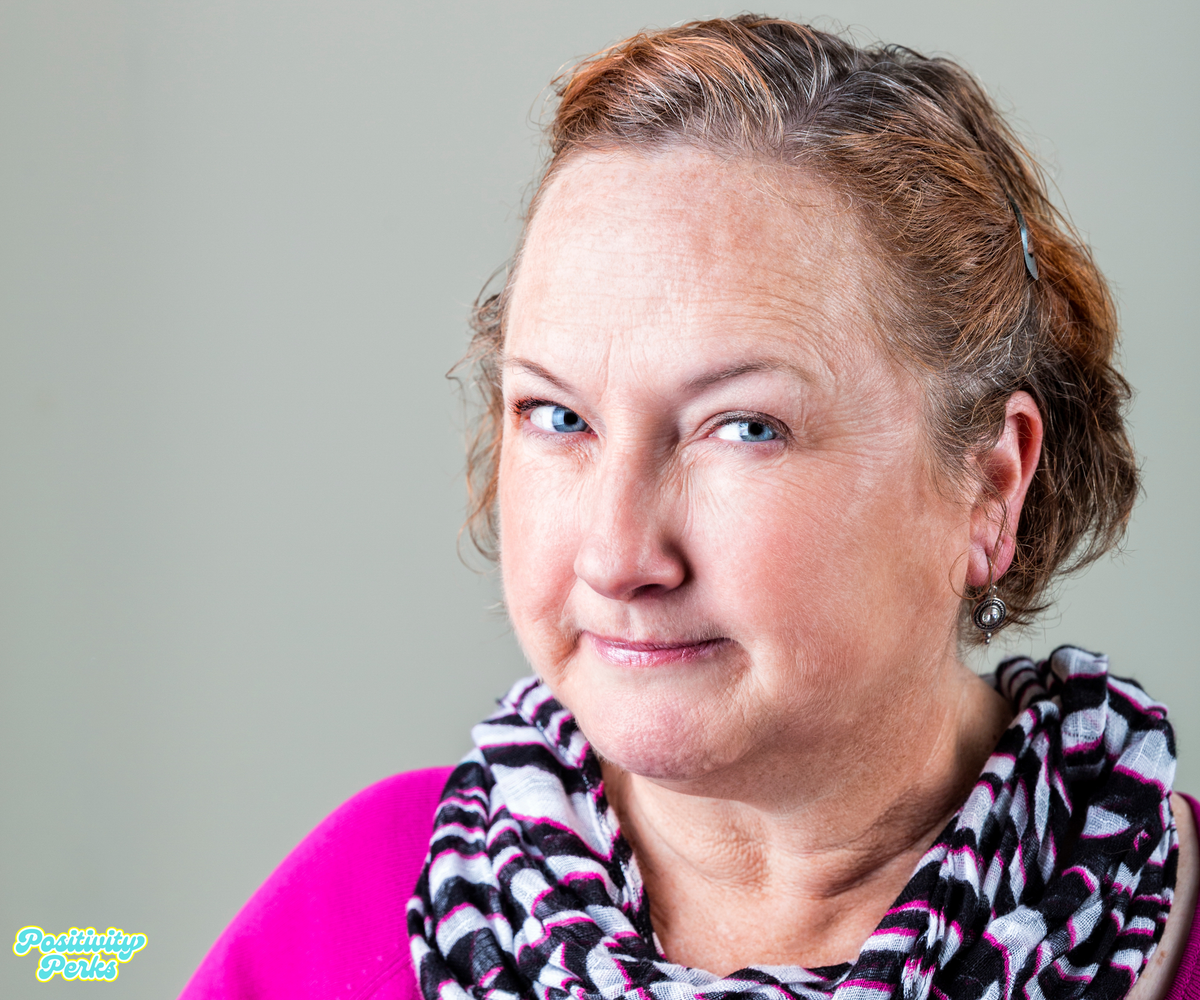
Let’s stop pretending there’s anything clean or linear about this. Life doesn’t gently teach you how to trust—it disrupts it, reshapes it, sometimes even breaks it in ways that don’t announce themselves until much later. After everything you’ve been through, you don’t just “decide” to trust people differently. It happens the way weather changes: slowly at first, almost imperceptibly, and then suddenly you realize you’re not standing in the same climate you started in. The old version of you—the one who believed sincerity was the default setting in people—doesn’t disappear… but it does get quieter. More cautious. More observant. Less impressed by words, more interested in patterns.
And here’s where people get it wrong when they talk about positivity, as if it’s some kind of personality filter you can just apply over experience. Real positivity—the kind that doesn’t shatter the moment someone disappoints you—isn’t built on trust in others. It’s built on a more uncomfortable foundation: discernment. You don’t become negative when you stop trusting everyone the same way; you become precise. You start noticing the difference between consistency and performance, between presence and convenience, between someone who shows up and someone who only appears when it benefits them. That awareness doesn’t make you cold. It makes you accurate.
But let’s be honest in a way that doesn’t sugarcoat the bruise: there is a grieving process here that nobody likes to name. You grieve the version of yourself who didn’t need to think this hard about people. You grieve the ease, the assumption, the softness that used to exist before experience started taking notes in the background. And yes, if you’re honest, there’s a moment where you wonder whether this new clarity costs too much. Because it does take something from you—it takes the illusion that everyone is operating from the same moral blueprint. But in exchange, it gives you something sturdier: self-respect that doesn’t require external permission.
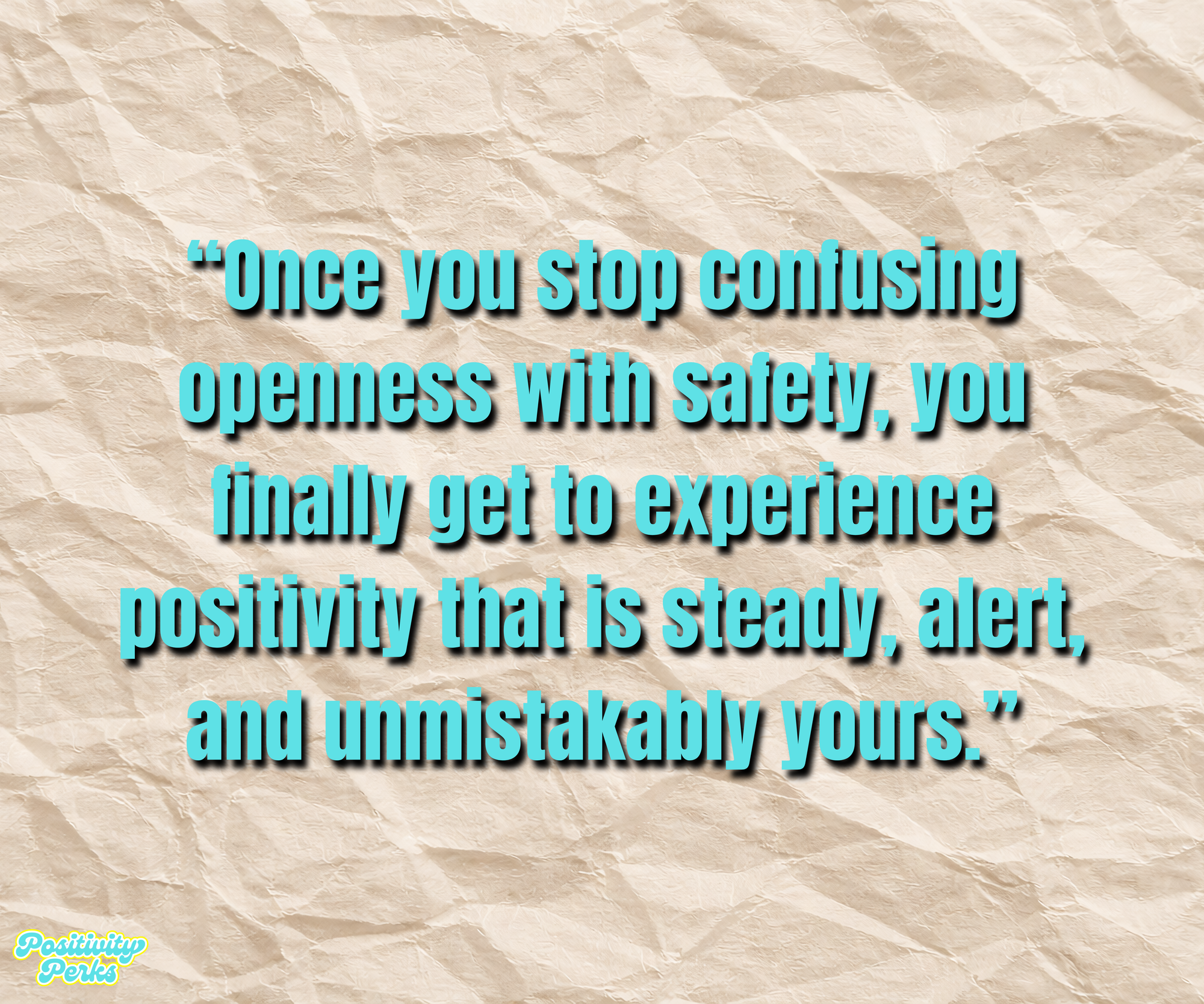
And this is where the real shift quietly reveals itself, without ceremony or applause. You don’t become less positive—you become more anchored. You stop handing out trust like it’s a reflex and start treating it like something that must be earned in installments, not assumed in full. You still laugh, still connect, still care—but now there’s a second layer running underneath it all, a kind of internal compass that says, “I see you, but I also see patterns.” And strangely enough, that doesn’t shrink your world. It expands it in a more honest direction. Because once you stop confusing openness with safety, you finally get to experience positivity that isn’t fragile, performative, or dependent on anyone else behaving correctly. It just exists—steady, alert, and unmistakably yours.
Be positive, and have a wonderful day!
👆👆WATCH OUR LATEST VIDEO👆👆


👆👆CHECK OUT OUR LATEST VIDEO👆👆