Learn to Be Quiet: Everyone Is Not on Your Team.
Think of your goals less like declarations and more like ecological systems. Something living, delicate, and highly sensitive to its environment.


One of the most quietly powerful skills a person can develop is knowing when not to speak—not out of fear, not out of hesitation, not as some performative act of mystery, but out of a clear, almost unglamorous kind of discernment that says: this does not need to be shared yet.
Because there’s a difference—subtle, but life-defining—between silence that shrinks you and silence that protects what is still forming.
We were not always taught this. In fact, we’ve inherited a cultural reflex that equates visibility with validity. Say it out loud, and it becomes real. Post it, and it becomes accountable. Announce it, and suddenly it has “momentum,” or so we tell ourselves. But somewhere underneath that narrative is a quieter truth most people only learn through bruising experience: premature exposure dilutes focus. It disperses energy. It turns internal architecture into public commentary before the structure has even learned how to hold its own weight.
And worse than dispersion is interference.
Because not every listener is neutral. Some are genuinely supportive, yes—present, encouraging, generous in spirit. But others listen like analysts, unconsciously or otherwise, cataloging your trajectory against their own internal scoreboard. And then there are those who don’t even need ill intent; they simply carry doubt as a reflex and project it onto anything unfinished. The result is the same: your fragile beginning gets interpreted through lenses it was never designed to survive.
This is where wisdom starts to take shape—not as paranoia, not as withdrawal, but as refinement of access.
Think of your goals less like declarations and more like ecological systems. Something living, delicate, and highly sensitive to its environment. A gardener doesn’t uproot seeds daily to verify sincerity. They don’t invite spectators to comment on root development mid-process. They create conditions—light, soil, patience, protection—and then resist the temptation to interrupt what is quietly becoming.
Yet many people do exactly that interruption to themselves, voluntarily. They expose unfinished dreams to the atmosphere of opinion, then wonder why enthusiasm collapses under the weight of external noise. Criticism arrives too early. Advice arrives without context. Doubt arrives wearing the disguise of “helpfulness.” And suddenly something that required containment becomes something constantly negotiated.
Positivity, in its more mature form, has very little to do with forced optimism. It is not about smiling through confusion or ignoring friction. It is, instead, an act of filtration. A conscious narrowing of what you allow to shape your internal weather. Because not every thought deserves interpretation. Not every opinion deserves residence. Not every passing remark deserves the dignity of your attention.
Some inputs are simply static. And treating them as signals is where people begin to lose clarity.
If you watch closely, you’ll notice a pattern that rarely announces itself: the individuals who speak least about their evolving work are often the ones producing the most consistent internal progress. Not because they are secretive in some theatrical sense, but because attention is a finite currency, and they spend it where it compounds rather than where it disperses.
There comes a point where something clicks—not loudly, not dramatically, but with a kind of quiet finality—and you realize that permission was never part of the equation. You do not need consensus to build. You do not need validation to proceed. You do not need emotional approval from people who are not responsible for the outcome of your life.
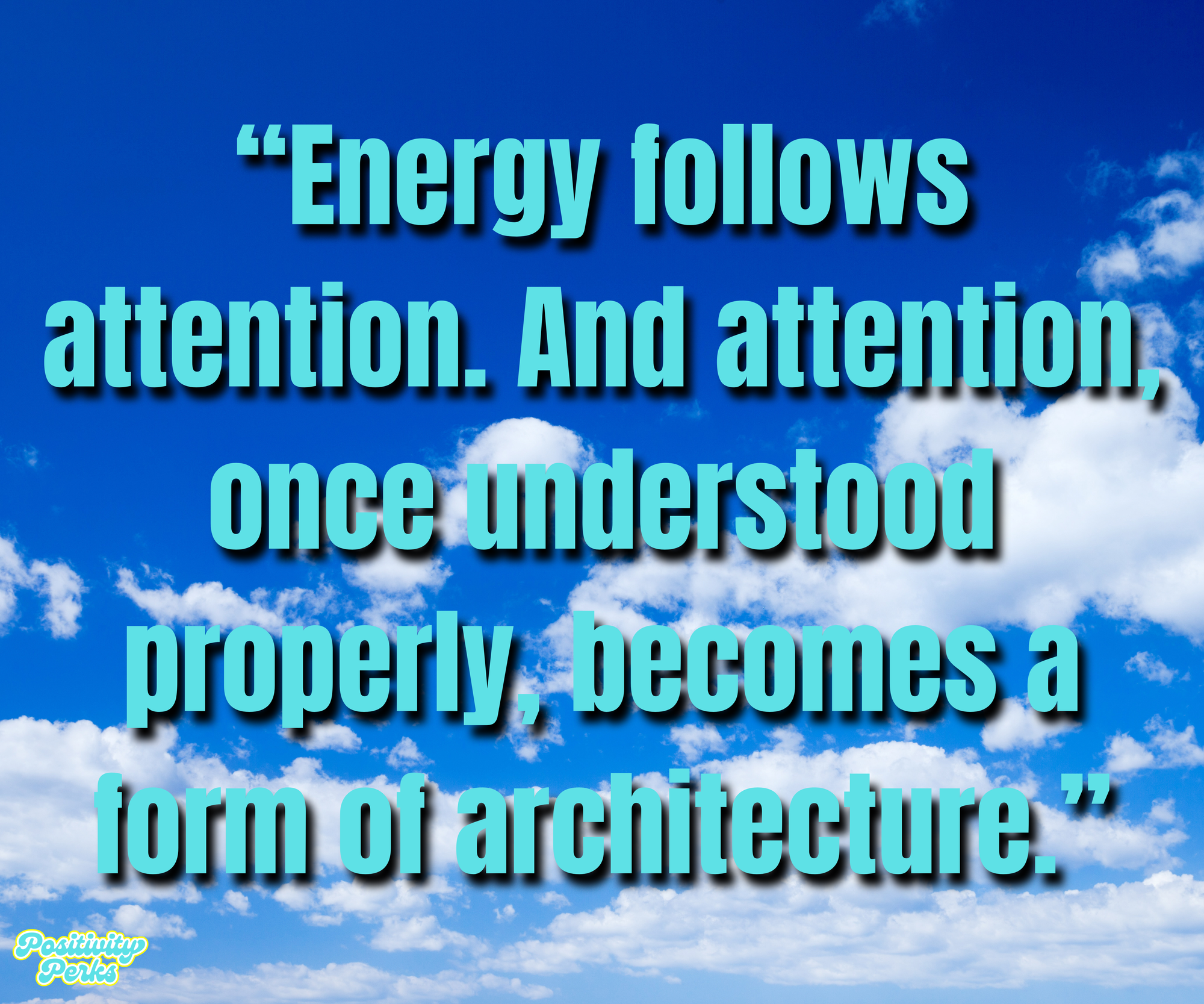
Energy follows attention. And attention, once understood properly, becomes a form of architecture.
So you begin to choose more carefully.
Not every conversation needs participation. Not every misunderstanding needs correction. Not every challenge deserves a full emotional response. Sometimes restraint is not absence—it is investment redirected. You are not disengaging from life; you are refusing to waste precision where it won’t compound.
And in that shift, something unexpected happens: your life becomes less performative and more structural. Less explanation, more execution. Less narrative, more evidence.
Think of a lighthouse—not as something that persuades, argues, or announces its relevance, but as something structurally committed to consistency. It does not move to be seen. It does not negotiate its purpose. It simply remains, and in doing so, becomes undeniable to those who need it.
That is the direction silence can point you toward when it is chosen wisely.
So remain open, remain kind, remain human—but unhook yourself from the idea that openness requires exposure. There is a version of generosity that does not involve self-revelation. There is a version of strength that does not require explanation.
Let your work reach maturity without interruption. Let your consistency accumulate weight without commentary. Let your results arrive without rehearsal.
And when they do, you may notice a familiar irony: voices that once questioned your direction will often rewrite their memory of it. Not out of malice, but out of human convenience. That, too, is part of the landscape.
You don’t need to correct it.
You just continue.
Be positive, and have a wonderful day!


👆👆CHECK OUT OUR LATEST VIDEO👆👆