The Problem Might Not Be What Happened—It Might Be That You Keep Participating
What if the best way to solve a problem isn't to fight harder, explain yourself better, or have the last word? Sometimes the answer is much simpler: stop participating. Your peace is valuable. You don't have to spend it on every argument you're invited to.


We have this peculiar instinct to jump into things that were never ours to begin with. Somebody is angry, and somehow we are angry too. Somebody takes a shot at us, and before we've even decided whether it matters, we're standing there mentally drafting our rebuttal, gathering evidence, remembering what happened six months ago, and preparing for a trial that exists mostly inside our own head. It's exhausting. And, if we're being honest, a little ridiculous. I've done it. You probably have too. We lie awake thinking about something somebody said at lunch. We reread a text because surely there was a hidden meaning buried between the punctuation marks. We imagine what we should have said, what we will say, what we hope they say so we can finally deliver the perfect response. Meanwhile, the other person is probably eating dinner and thinking about something completely different. That's the part nobody likes to admit. We sometimes keep a problem alive simply by continuing to participate in it. We feed it our attention. We give it another conversation, another angry thought, another hour of our day. And then we call ourselves stressed. Not every disagreement needs to be settled. Not every insult needs a rebuttal. Not every misunderstanding deserves a ten-minute explanation of your intentions, your character, your childhood, and the entire history of Western civilization. Sometimes you can just say, “Okay,” and walk away. Weirdly powerful word, okay.
Maybe that's what positive thinking looks like when it grows up. Not smiling through everything. Not pretending the difficult person isn't difficult or the unfair situation isn't unfair. And definitely not plastering some cheerful quote over genuine pain and calling it healing. Real positivity has teeth. It knows when to be gentle and when to close the door. It understands that there is a difference between helping someone and allowing yourself to be pulled underneath them. You can love a person without volunteering to manage their moods. You can care about somebody without becoming the emergency response team for every crisis they create. You can hear an accusation without immediately putting yourself on trial. And, perhaps most importantly, you can walk away without needing everyone to agree that you were justified in doing so. That takes practice. We are wired to explain ourselves. We want people to understand our side because, somewhere deep down, being misunderstood feels like being erased. But here's a hard little truth: some people aren't confused about you. They simply prefer their version of you. No explanation will fix that. So stop trying to win a courtroom case in a courtroom that isn't there. Your peace is not evidence that you have surrendered. Sometimes it is evidence that you finally understand the cost of arguing.
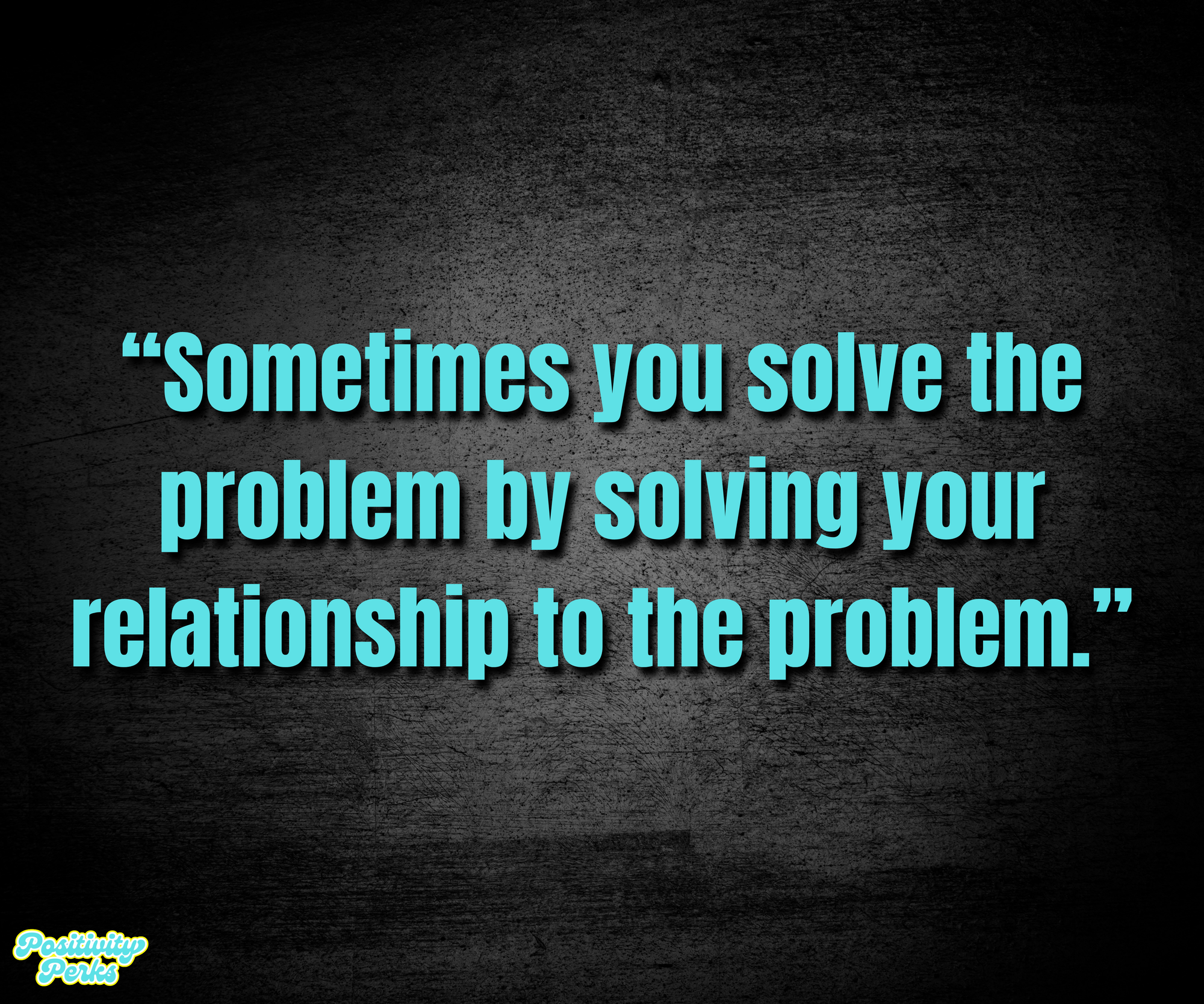
The next time somebody tries to pull you into something that feels wrong, stop for a second before you answer. Don't reach for the phone immediately. Don't type the paragraph. Don't start building the case in your head. Just sit with it. Let the first wave pass. Then ask yourself something brutally practical: “What happens if I don't participate?” Maybe nothing. Maybe the argument dies on its own. Maybe the person gets bored because there is no reaction to feed on. Maybe you discover that the thing you thought was enormous becomes strangely small once you stop staring at it. Of course, there are times when you need to speak up. Silence isn't always wisdom. Sometimes a hard conversation is necessary, and avoiding it only allows resentment to grow mold in the corners. Have the conversation. Tell the truth. Set the boundary. But don't confuse courage with constant confrontation. You don't have to swing at every pitch. You don't have to answer every critic. You don't have to climb into every mud puddle just because somebody standing in it insists you join them. Let them have the last word. Let them misunderstand you. Let the unanswered text remain unanswered. Life is short, and there are better things to do with an afternoon than explain yourself to someone who has already made up their mind. Sometimes you solve the problem by solving your relationship to the problem. You stop feeding it. You stop rehearsing it. You stop carrying it home. You choose peace—not because you are afraid of conflict, but because you've finally learned that your attention is one of the most valuable things you own. Spend it like it matters.
 Russell B
SUBSCRIBE FOR FREE TODAY!
👆👆WATCH THIS TODAY👆👆M