You Can Be a Good Person and Still Be The Problem.
Relationships rarely unravel overnight. They erode through the little things we excuse, the truths we avoid, and the habits we refuse to confront. What you tolerate grows. But here's the uncomfortable question: Are you protecting your connection, or quietly contributing to its destruction?


It's rarely the grand betrayal that first loosens the threads between people. More often, it's something embarrassingly ordinary. A conversation interrupted for the fifth time. A joke that wasn't funny the first time, either. Two people sharing a couch, a mortgage, perhaps twenty years of memories, yet somehow becoming strangers with excellent knowledge of each other's schedules. Nobody announces the erosion. We accommodate it. Explain it away. Call it stress, a rough patch, just how things are. And there's the trouble. What you tolerate grows, sometimes so quietly you mistake the damage for normal life. Worse, we become remarkably skilled at identifying another person's failures while granting our own a generous assortment of explanations. That sharp tone? Exhaustion. The unanswered message? Busy. The affection withheld because someone disappointed us? Well, they should have known better. Funny how easily self-preservation becomes self-deception. Positivity, properly understood, isn't the art of finding something pleasant to say about an unpleasant reality. It's the stubborn belief that things can improve, coupled with the willingness to stop contributing to what makes them miserable.


👆👆CHECK OUT OUR LATEST VIDEO👆👆
I've been guilty of mistaking silence for maturity. More than once. There were conversations I should have started while the hurt was still small enough to hold in one hand, but I waited, rehearsing explanations nobody had asked for, hoping time would perform some miracle that honesty apparently couldn't. It didn't. Time is indifferent that way. I've also discovered, much to my irritation, that being right doesn't necessarily make me easy to love. Sometimes I was so busy defending my intentions that I couldn't hear the impact of my behavior. Other times, I accepted things that troubled me because setting a boundary meant risking a response I didn't want to face. Neither approach brought much peace. Just a quieter sort of unhappiness. A boundary isn't a weapon, and accountability isn't humiliation. Both require a willingness to disappoint someone, occasionally yourself, in service of something more substantial than keeping everyone comfortable. I still believe deeply in patience, forgiveness, and giving people room to grow. But I've stopped believing that love should require the steady abandonment of one's own dignity.
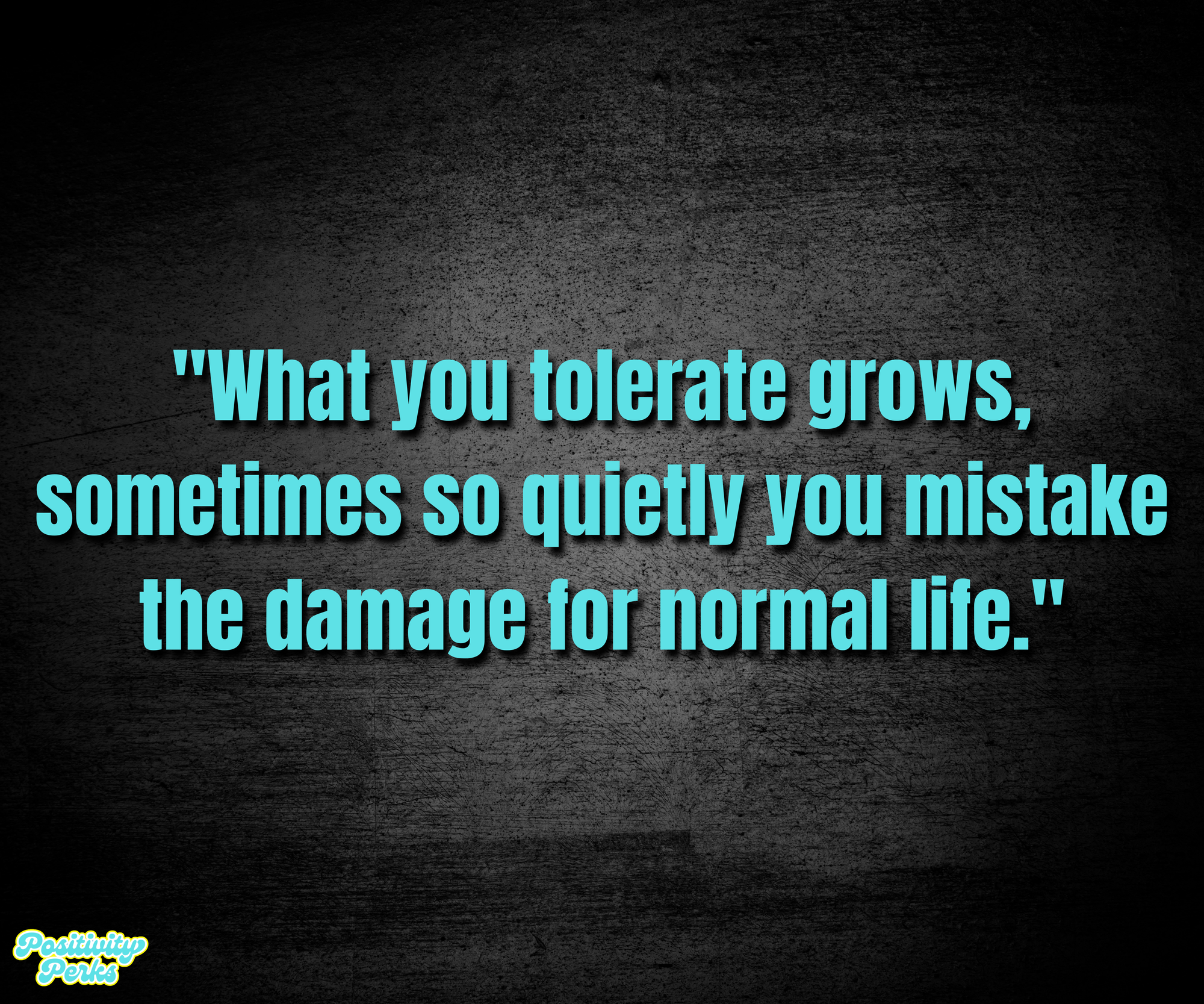
So consider this your assignment, and don't rush past it because the answer makes you squirm. What habit, yours or someone else's, have you allowed to become a permanent resident in a relationship you claim to treasure? The sarcasm. The emotional disappearing act. The constant criticism disguised as helpfulness. Maybe it's that ridiculous little phone, forever demanding attention while an actual human being waits beside you. Or perhaps you've been postponing a boundary because you know perfectly well that enforcing it will change something. Good. Some things need changing. Have the conversation without turning it into a courtroom. Own your part without assuming responsibility for everyone else's. Ask what needs to be different, then pay attention to what happens afterward; promises are lovely, but behavior tells the truth. And understand this: not every connection survives honesty, particularly when only one person is willing to practice it. Still, the absence of an argument is not proof of a healthy relationship. Sometimes it's merely evidence that someone has stopped trying to be heard. Don't let that someone be you. Don't become the reason another person gives up, either. What you tolerate grows. What you nurture does, too. Take a hard look at what you've been feeding.
Have a wonderfully positive day! ☀️