Part Three: Stillness — Not Stopping Life, but Stopping the Struggle Against It
Practice stillness when nothing particularly important is happening. That's the trick. Sit outside. Watch the rain. Stand under a tree. Listen to water. Leave your phone in another room and discover just how urgently you apparently need to know what everyone else is doing.


Yesterday, we explored Solitude and the important distinction between being alone and being lonely. We talked about how solitude can become a place of self-discovery—a chance to hear thoughts that get buried beneath relationships, responsibilities, expectations, and noise. Most importantly, we considered the freedom that comes from realizing you don't need another person to constantly validate your worth. You can deeply love and need people while still being comfortable in your own company.
A forest is never actually still. That is the beautiful joke of it. Everything is moving. Leaves shiver. Branches bend. Clouds rearrange themselves overhead. Water keeps going, even when nobody is watching. Something is always crawling beneath the leaves. Something is always calling from somewhere you cannot see. And yet you can sit there for twenty minutes and experience a kind of stillness that is almost impossible to manufacture indoors. Perhaps because the forest isn't trying to stop being a forest. It isn't fighting the wind. It isn't furious about the weather. It isn't standing beside a creek yelling, "This was NOT the plan." Humans are different. We can spend enormous amounts of energy arguing with reality after reality has already happened.
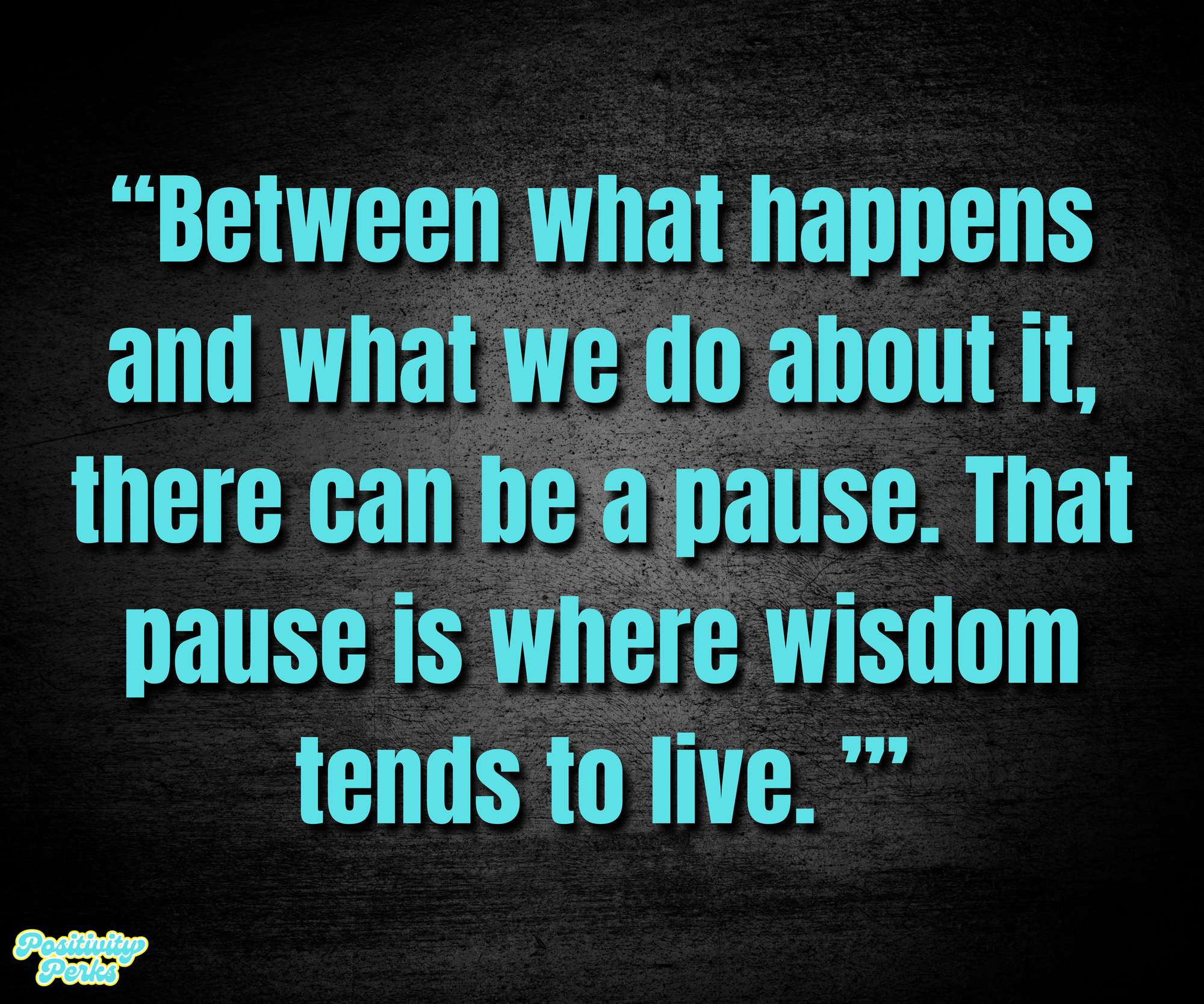
Stillness teaches us to stop doing that quite so much. Not because everything is acceptable. Not because pain isn't real. Not because we should become passive little clouds floating peacefully above our problems. Sometimes something needs to be confronted. Sometimes a boundary needs to be drawn. Sometimes you need to say, "No, this isn't okay," and mean it. But between what happens and what we do about it, there can be a pause. That pause is where wisdom tends to live. Someone hurts your feelings. Pause before composing the speech. Something doesn't go according to plan. Pause before declaring the entire day ruined. You receive bad news. Breathe before your mind races twenty years into a future that hasn't happened. We are remarkably talented at suffering twice—once when something actually happens and again when our imagination creates twelve additional versions of it.
Practice stillness when nothing particularly important is happening. That's the trick. Sit outside. Watch the rain. Stand under a tree. Listen to water. Leave your phone in another room and discover just how urgently you apparently need to know what everyone else is doing. You will probably feel restless. Good. Restlessness is information. We have trained ourselves to respond instantly to every thought, impulse, notification, fear, and irritation. Stillness offers another option: notice it, and don't immediately obey it. That small distance can change a life. You can feel anger without becoming cruel. You can feel sadness without deciding you are broken. You can feel uncertainty without inventing disaster. Stillness doesn't make life easier. It makes us less frantic inside the life we're already living.
Tomorrow is the final piece: Simplicity. We'll look at how nature has a remarkable ability to strip life down to its essentials and remind us that not everything deserves our attention, our energy, our worry, or our emotional investment. We'll bring all four sanctuaries together and ask the bigger question: What actually matters?
 Russell B
SUBSCRIBE FOR FREE TODAY!