Part Four: Simplicity — The Art of Knowing What Deserves Your Energy
Simplicity isn't poverty, and it isn't an aesthetic involving beige furniture and expensive ceramic mugs. It is clarity. It is knowing what matters enough to receive your time and what doesn't.


Yesterday, we explored Stillness and discovered that being still isn't necessarily the same as being inactive. It's about creating a pause between what happens and how we respond. We talked about resisting the urge to react to every thought, disappointment, irritation, and uncertainty as though each one deserves an immediate emergency response. Stillness gives wisdom somewhere to live. It doesn't remove difficult circumstances; it helps us meet those circumstances without becoming completely consumed by them
Spend a few days in the wilderness and your definition of "important" gets rearranged pretty quickly. Water becomes important. Food becomes important. A dry pair of socks becomes astonishingly important. Shelter. Firewood. A decent night's sleep. A trail that actually goes where the map says it goes. Someone beside you who makes you laugh when the weather turns miserable. Suddenly, the little things that consumed your attention back home begin to shrink. That email can wait. The petty disagreement feels embarrassingly small. The thing you were going to buy because you convinced yourself it would finally make you happy? Well, perhaps you don't need it after all. Nature has a way of stripping the decoration from life until you can see the structure underneath.
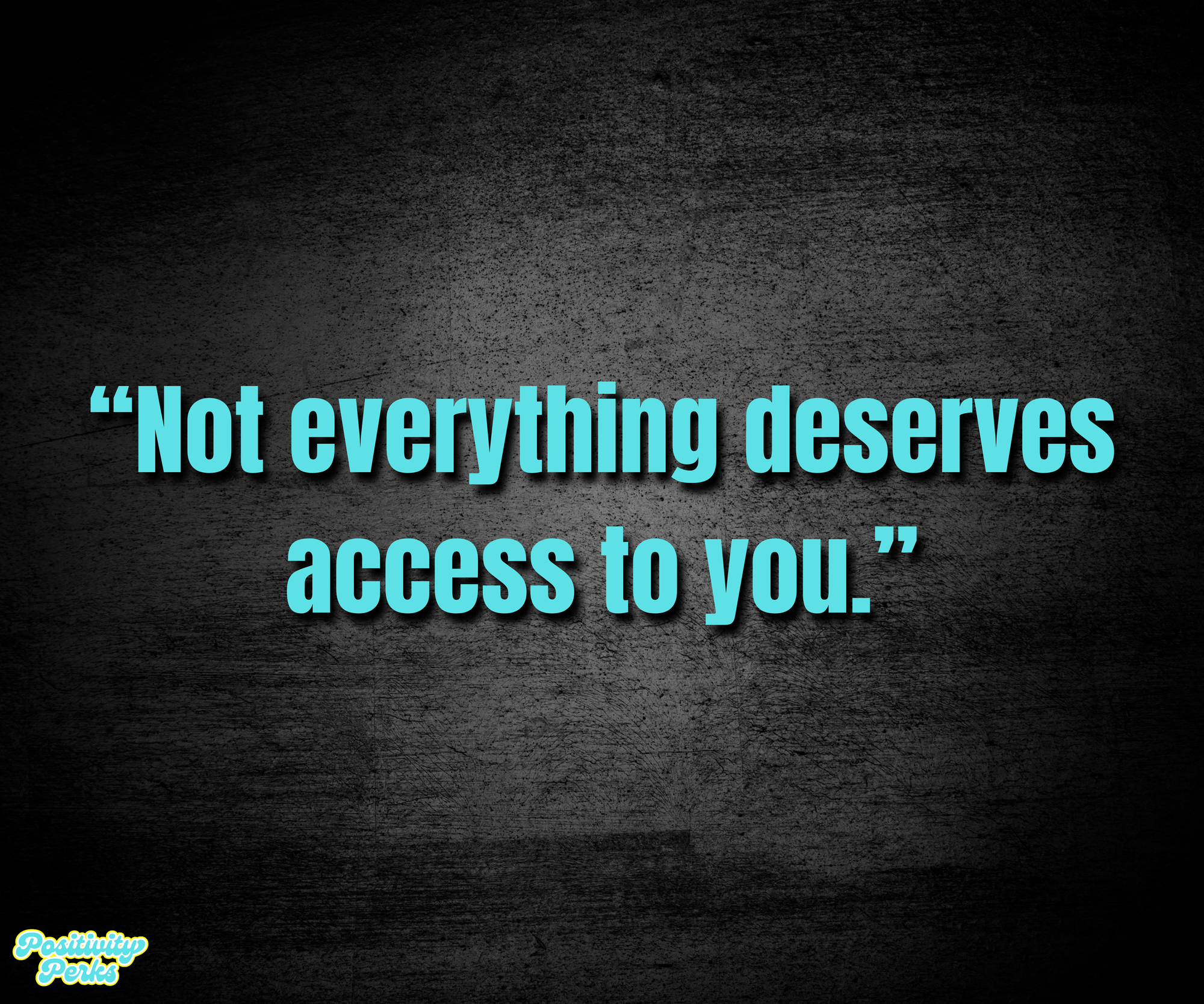
Simplicity isn't poverty, and it isn't an aesthetic involving beige furniture and expensive ceramic mugs. It is clarity. It is knowing what matters enough to receive your time and what doesn't. That distinction is harder than it sounds because modern life is exceptionally good at making everything seem urgent. Everybody wants something. Every application wants your attention. Every headline wants your outrage. Every advertisement suggests there is a better version of you available for the low, low price of whatever they are selling. And meanwhile, the people you love are aging. Seasons are passing. Your own life is happening, right now, while you are busy answering things that may not deserve an answer. Brutal? Yes. But useful. Not everything deserves access to you.
That is the quiet progression hidden inside these four sanctuaries: silence quiets the noise. Solitude helps you hear yourself. Stillness helps you inhabit the moment. Simplicity helps you remember what matters. None of this requires moving into a cabin and refusing to return to civilization, although I admit there are Tuesday afternoons when that sounds like a perfectly reasonable career plan. The point is smaller, and perhaps harder: build little sanctuaries into ordinary life. Put the phone down. Go outside. Be alone sometimes. Stop rushing toward the next thing. Say no when no is the honest answer. Keep the people who bring peace. Release the things that keep making you smaller. Nature does not necessarily call us away from our lives because our lives are wrong. Sometimes it calls us away for an hour, a day, a weekend—long enough to hear ourselves again. And when we return, the problems may still be waiting. But perhaps we are different enough to meet them without letting them become the whole story.
The Four Sanctuaries: And now we can see the progression:
Silence quiets the noise.
Solitude helps you hear yourself.
Stillness helps you become present.
Simplicity helps you remember what matters.
Perhaps that's why nature can feel so restorative. We don't always go there because we want to escape our lives. Sometimes we go because we have become so distracted by living that we've forgotten how we actually want to live.
And maybe that is the real lesson of these four sanctuaries: a positive life isn't a life without problems. It's a life in which the problems don't get to become the whole story.
If you appreciated this four-art-series, please subscribe for FREE:
 Russell B
SUBSCRIBE FOR FREE TODAY!