You Can’t Control the Storm, But You Can Stop Walking Into It Without an Umbrella.
Preparation is not a contract with the universe. It does not promise that the meeting will go well, that the money will be enough, that the relationship will survive, or that the plane will leave on time. Life does not sign those contracts. What preparation gives you is something far more useful.


We tend to notice preparation only after it has saved us. Before that, it is mostly invisible work—the sort nobody applauds because, frankly, nobody knows it happened. You make the list. You read the instructions instead of tossing them aside with the confidence of a person who has assembled furniture before and therefore understands all furniture forever. You check the weather. You leave twenty minutes early. You rehearse the conversation in your head, including the part where the other person says something you absolutely did not expect and your beautifully prepared response disappears like a sock in a dryer. None of this guarantees anything. That is the first thing worth understanding. Preparation is not a contract with the universe. It does not promise that the meeting will go well, that the money will be enough, that the relationship will survive, or that the plane will leave on time. Life does not sign those contracts. What preparation gives you is something far more useful: a little ground beneath your feet. When circumstances begin moving sideways, you have something to work with. You know more. You have considered more. You have options. And that changes a person. Confidence, when it is real, is not loud. It does not need to announce itself from the back of the room. It is often nothing more glamorous than the quiet thought, I don't know exactly what is going to happen, but I know I can deal with it.
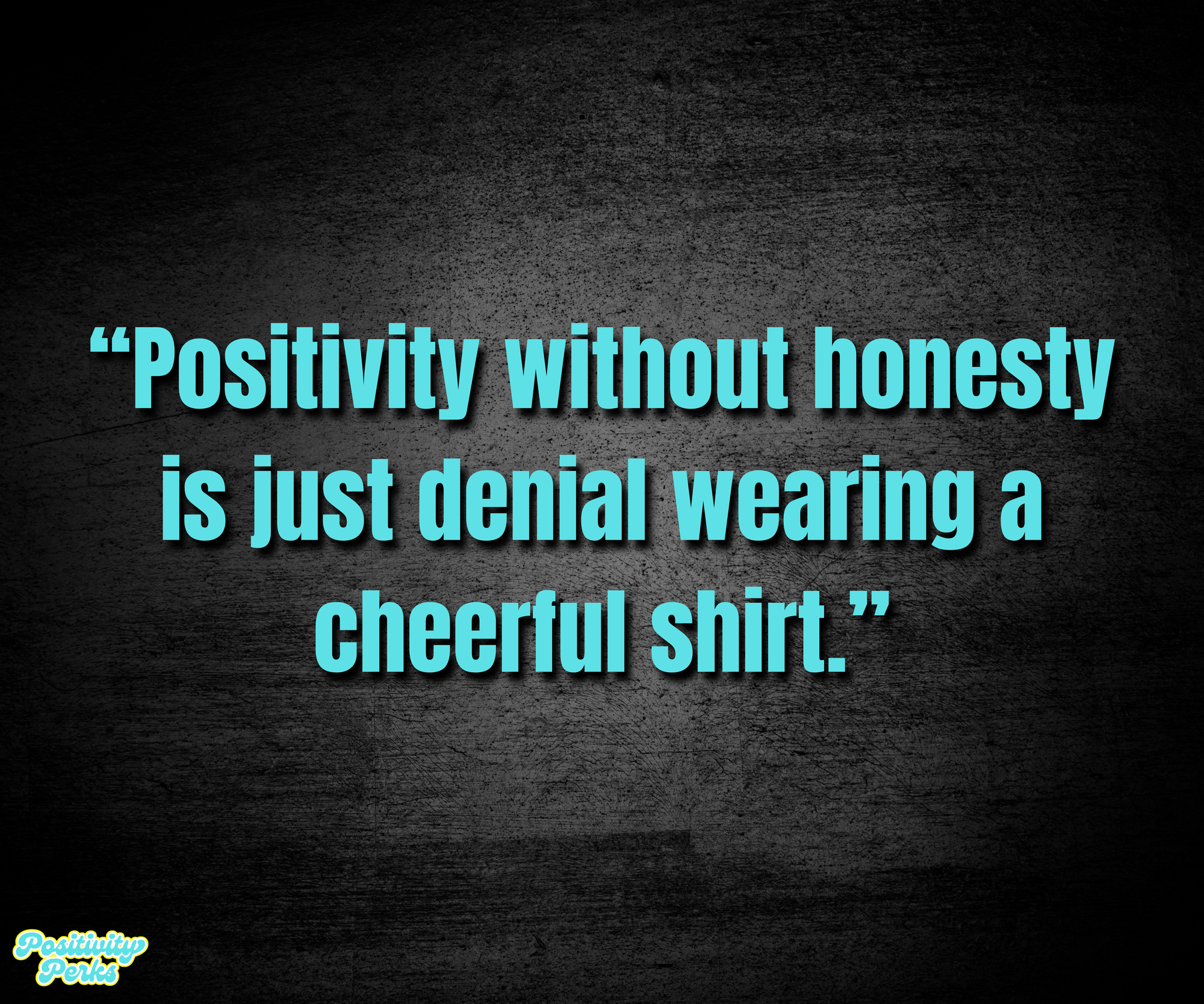
Clarity is another creature entirely. We spend an astonishing amount of time waiting for it. We wait for the right feeling, the right opportunity, the right sign, the magical little moment when everything suddenly makes sense and the fog lifts and, presumably, a choir of particularly organized angels hands us a color-coded five-year plan. It rarely works that way. Clarity is usually earned the hard way. You sit with the uncomfortable question. You write things down. You look honestly at the facts instead of the story you have been telling yourself about the facts. You admit that something is not working. You decide what deserves your energy and, just as importantly, what does not. This matters because positivity without honesty is just denial wearing a cheerful shirt. There is nothing particularly positive about pretending everything is fine when it plainly is not. Real optimism has teeth. It can look directly at a problem without immediately turning the problem into a prophecy. It says, Yes, this is difficult. Now, what can I do? That little question is more powerful than it sounds. It pulls you out of the swamp of speculation and back onto solid ground. Maybe you cannot fix everything today. Fine. What can you fix? Maybe you cannot control another person's decision. Fine. What remains yours to control? Maybe the future is a giant question mark. It is. Welcome to being alive.
And here is where we have to be brutally honest with ourselves, because sometimes “I didn't know what to do” is true, and sometimes it is simply the nicer version of “I didn't want to deal with it yet.” There is a difference. We procrastinate the phone call, then complain that the problem became bigger. We ignore the warning sign because acknowledging it would require a decision. We tell ourselves we are waiting for clarity when what we are really waiting for is certainty—and certainty, inconveniently, is almost never coming. At some point, you have to move. Not recklessly. Not blindly. Just move. Prepare what you can. Learn what you need to learn. Ask for help without turning it into a referendum on your worth. Put the extra money aside. Have the conversation. Make the appointment. Practice the thing you are afraid you are not good at. Apologize if you owe someone an apology. Walk away if something has become destructive. And then—this part matters—accept that preparation has limits. You can pack the umbrella and still get soaked. You can plan the route and still miss the turn. You can love somebody deeply and still lose them. You can do everything reasonably right and have the day go spectacularly wrong. That does not make preparation pointless. It makes preparation human. We prepare not because we expect life to behave, but because we want to meet life awake. There is a profound difference between the two. The prepared person does not necessarily have fewer storms. They simply discover, somewhere in the middle of one, that they have learned how to keep walking.


👆👆CHECK OUT OUR LATEST VIDEO👆👆