Part Two: Solitude — The Strange Freedom of Being Enough Company
Watch a sunset all the way to the end, when the colors become less spectacular and the sky begins quietly turning toward night. Don't immediately reach for your camera. Don't explain the moment. Just inhabit it.


Yesterday, we began with Silence, exploring what happens when we deliberately step away from the constant stream of notifications, opinions, demands, and distractions competing for our attention. Silence isn't merely the absence of noise; it creates space. And that space gives us an opportunity to hear our own thoughts instead of continually reacting to everyone else's. We discovered that positivity doesn't require pretending everything is wonderful. Sometimes it begins much more quietly—with enough mental breathing room to see our circumstances clearly.
People talk about being alone as though it is automatically a tragedy. It isn't. Sometimes loneliness is a room full of people and the aching conviction that nobody sees you. Sometimes solitude is sitting on a rock beside a mountain stream, completely alone, and realizing you haven't felt this accompanied in weeks. The difference is not geography. It's relationship—your relationship with yourself. Nature seems to understand this better than we do. A trail doesn't ask why you're hiking alone. A lake doesn't wonder whether you have enough friends. A mountain doesn't look at you and suggest that perhaps you should be networking more effectively. It simply exists. You get to exist alongside it.
Solitude is where some uncomfortable truths become difficult to avoid. Without other people around to distract you, there you are. Your habits. Your fears. Your unfinished thoughts. The parts of yourself you've polished for public consumption and the parts you've shoved into a closet because they are inconvenient. This is not always pleasant. It is, however, useful. A person who can sit comfortably with themselves is less likely to remain in relationships that require them to abandon themselves. They become less dependent upon applause, reassurance, constant texting, or somebody else's mood to determine whether they had a good day. And no, this does not mean becoming some emotionally armored hermit who growls at visitors from the porch. We need people. We need friendship, affection, laughter, community, the whole messy human arrangement. But needing people and needing people to constantly prove your worth are two very different things.
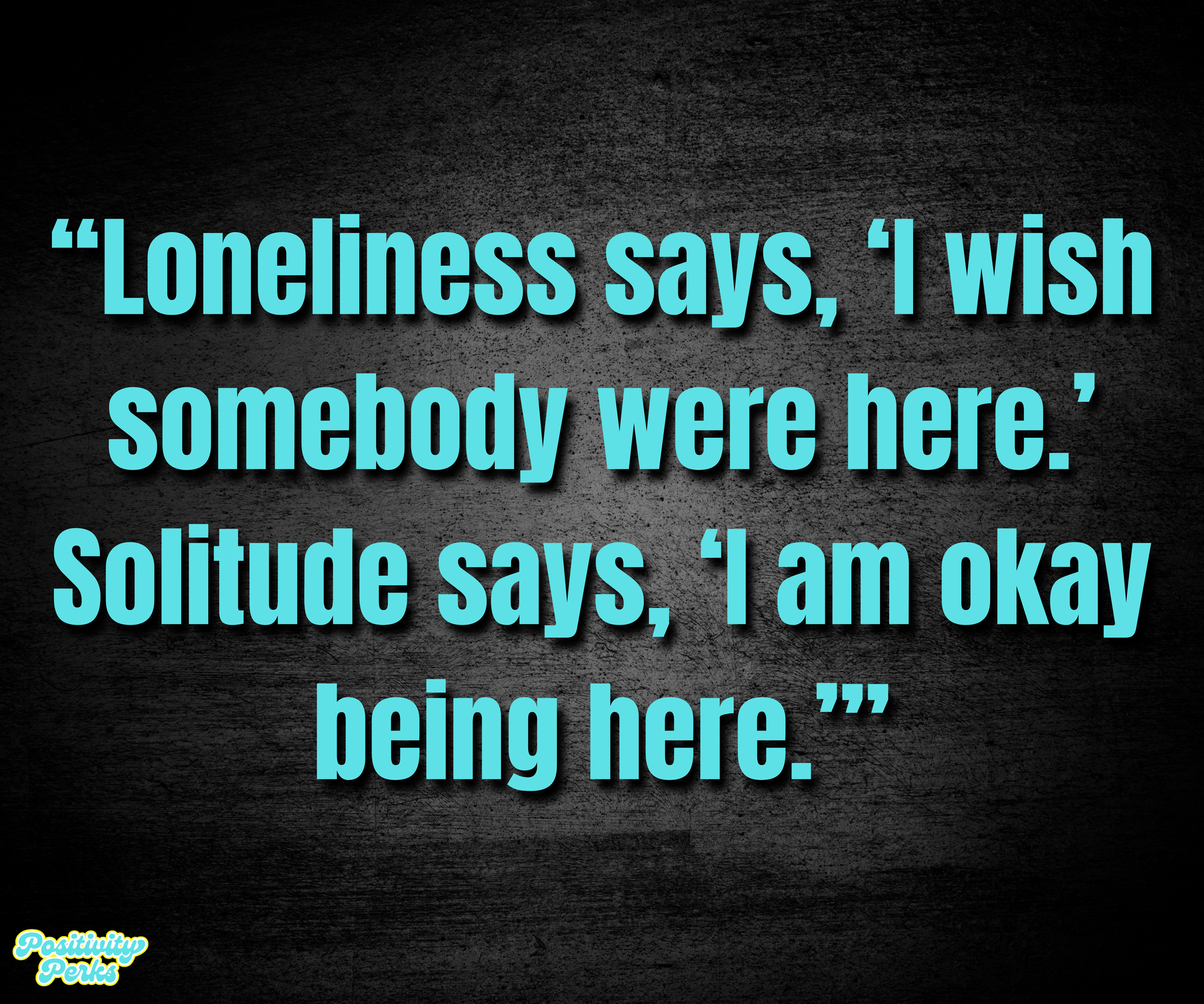
Spend some time alone on purpose. Not because nobody was available. Not because you were rejected. Not because you're punishing yourself. Choose it. Take the long way home. Find a trail. Sit near the water. Eat somewhere by yourself. Watch a sunset all the way to the end, when the colors become less spectacular and the sky begins quietly turning toward night. Don't immediately reach for your camera. Don't explain the moment. Just inhabit it. You might remember something about yourself that got misplaced somewhere between responsibility and routine. You might discover that your own company is not nearly as difficult as you imagined. And there is a peculiar kind of confidence that grows from that discovery. You stop asking, Who will choose me? quite so often. You begin asking the more powerful question: Do I choose this?
Tomorrow, we'll explore Stillness—and we'll challenge one of our most common assumptions about it. Stillness doesn't mean stopping life. Nature itself is constantly moving. Instead, we'll look at how stillness can teach us to stop fighting every moment, reacting to every irritation, and turning every unexpected event into a five-alarm emotional emergency.


👆👆CHECK OUT OUR LATEST VIDEO👆👆